
Uganda eVisa
Online application
Start eVisa application
Visa policy and requirements
Passport
You must have a passport valid for at least six months, and a copy of the bio-data page is part of every eVisa application. Check the expiry date before you apply, as your eVisa is issued against the passport details you submit.
Visas and eVisa
Most travelers need a visa to enter Uganda, and all applications are made online. The Single-entry Tourist eVisa covers tourism, family visits and medical treatment for a stay of up to three months. The East Africa Tourist eVisa is a joint visa for Uganda, Kenya and Rwanda. It allows multiple entries between the three countries for 90 days, and your first entry must be through the country that issued it. Frequent visitors can choose the 1-year or 2-year Multiple-entry Tourist eVisa. Travelers passing through Uganda on their way to another country can apply for the Transit eVisa, which is valid for a maximum of seven days and cannot be extended.
All applications require a recent passport-size photo. For tourist eVisas, you'll also need your travel itinerary and your hotel booking or the address where you'll be staying. Multiple-entry applications require more documents, including a police clearance certificate, recommendation letters from referees in Uganda, and a cover letter explaining why you need multiple entries.
Once approved, a tourist eVisa must be used within 90 days of the approval date, or it is automatically cancelled. On arrival, your fingerprints and photo are taken at the border.
What is eVisa Uganda
The Uganda eVisa is a mandatory travel document for citizens of eligible countries. It is obtained fully online, designed to make the immigration process easier and smoother.
You can find all the details and eligible countries below.
eVisa eligible nationalities
 Afghanistan
 Albania
 Algeria
 American Samoa
 Andorra
 Angola
 Anguilla
 Antarctica
 Argentina
 Aruba
 Australia
 Austria
 Bahrain
 Bangladesh
 Belarus
 Belgium
 Benin
 Bermuda
 Bhutan
 Bolivia
 Bosnia and Herzegovina
 Bouvet Island
 Brazil
 British Indian Ocean Territory
 British Virgin Islands
 Brunei
 Bulgaria
 Burkina Faso
 Cambodia
 Cameroon
 Canada
 Cape Verde
 Caribbean Netherlands
 Cayman Islands
 Central African Republic
 Chad
 Chile
 China
 Christmas Island
 Cocos (Keeling) Islands
 Colombia
 Congo-Brazzaville
 Cook Islands
 Costa Rica
 Croatia
 Cuba
 Curaçao
 Czechia
 Denmark
 Djibouti
 Dominica
 Dominican Republic
 Ecuador
 Egypt
 El Salvador
 Equatorial Guinea
 Estonia
 Ethiopia
 Falkland Islands
 Faroe Islands
 Finland
 France
 French Guiana
 French Polynesia
 French Southern and Antarctic Lands
 Gabon
 Georgia
 Germany
 Gibraltar
 Greece
 Greenland
 Guadeloupe
 Guam
 Guatemala
 Guernsey
 Guinea
 Guinea-Bissau
 Guyana
 Haiti
 Heard Island and McDonald Islands
 Honduras
 Hong Kong
 Hungary
 Iceland
 India
 Indonesia
 Iran
 Isle of Man
 Israel
 Italy
 Ivory Coast
 Japan
 Jersey
 Jordan
 Kazakhstan
 Kiribati
 Kosovo
 Kuwait
 Kyrgyzstan
 Laos
 Latvia
 Liberia
 Liechtenstein
 Lithuania
 Luxembourg
 Macau
 Maldives
 Marshall Islands
 Martinique
 Mauritania
 Mayotte
 Mexico
 Micronesia
 Moldova
 Monaco
 Mongolia
 Montenegro
 Montserrat
 Morocco
 Mozambique
 Myanmar
 Namibia
 Nauru
 Nepal
 Netherlands
 New Caledonia
 New Zealand
 Nicaragua
 Niger
 Nigeria
 Niue
 Norfolk Island
 North Macedonia
 Northern Mariana Islands
 Norway
 Oman
 Pakistan
 Palau
 Panama
 Papua New Guinea
 Paraguay
 Peru
 Philippines
 Pitcairn Islands
 Poland
 Portugal
 Puerto Rico
 Qatar
 Romania
 Russia
 Réunion
 Saint Barthélemy
 Saint Helena, Ascension and Tristan da Cunha
 Saint Kitts and Nevis
 Saint Lucia
 Saint Martin
 Saint Pierre and Miquelon
 Samoa
 San Marino
 Saudi Arabia
 Senegal
 Serbia
 Sint Maarten
 Slovakia
 Slovenia
 South Africa
 South Georgia and the South Sandwich Islands
 South Korea
 Spain
 Sri Lanka
 Sudan
 Suriname
 Svalbard and Jan Mayen
 Sweden
 Switzerland
 Syria
 São Tomé and Príncipe
 Taiwan
 Tajikistan
 Thailand
 Timor-Leste
 Togo
 Tokelau
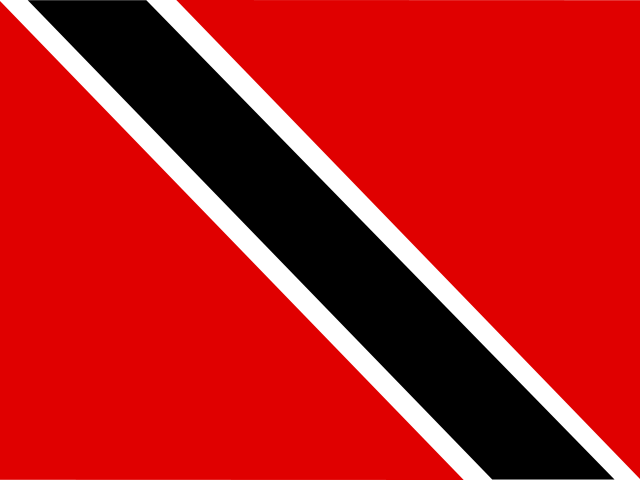 Trinidad and Tobago
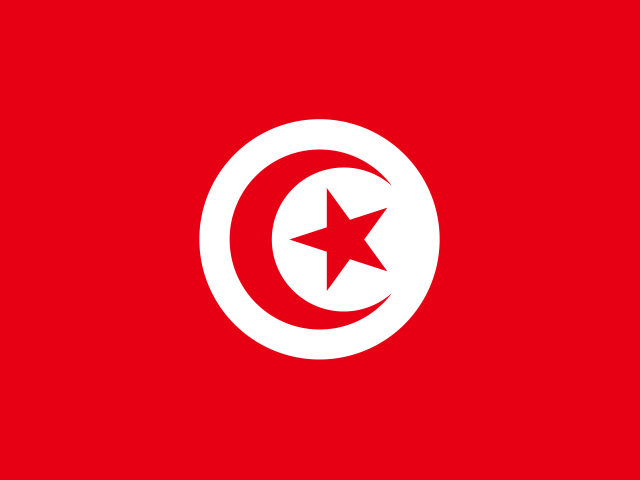 Tunisia
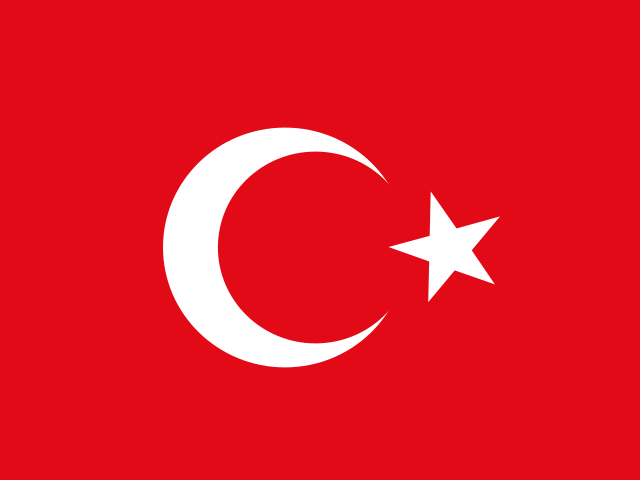 Turkey
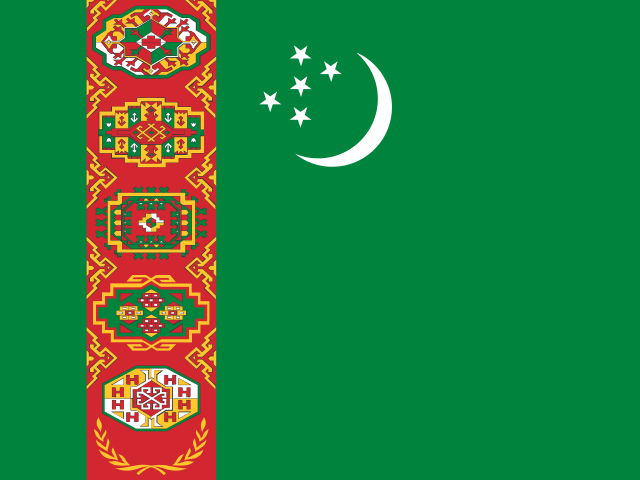 Turkmenistan
 Turks and Caicos Islands
 Tuvalu
 Ukraine
 United Kingdom
 United States
 United States Minor Outlying Islands
 United States Virgin Islands
 Uruguay
 Uzbekistan
 Vatican City
 Venezuela
 Vietnam
 Wallis and Futuna
 Western Sahara
 Yemen
 Åland Islands
Health insurance
When traveling to Uganda, it is wise to make health insurance a priority. Healthcare has improved in recent years, but medical facilities and standards vary, and treatment can be costly for foreign visitors. Reliable travel medical insurance lets you access the care you need without large out-of-pocket expenses.
Choose a policy that covers medical expenses, emergency treatment and medical evacuation. In severe cases, you may need to be transferred to a facility with more specialized treatment, sometimes in a neighboring country. Uganda's national parks, remote areas and adventure activities can also involve additional risk, so comprehensive coverage means you can explore more freely, whether you are on safari, hiking or discovering local culture. Keep your policy details and emergency assistance number easily accessible throughout your trip.
Uganda also requires a yellow fever vaccination certificate for all travelers over one year old, regardless of where they are arriving from. You will need to upload it with your eVisa application and carry it with you on arrival.
Currency
Uganda's currency is the Ugandan Shilling (UGX), and cash is the easiest way to pay for everyday expenses. You can exchange money at banks, authorized forex bureaus and some hotels in major towns. Stick to official exchange services for fair rates and to avoid counterfeit notes.
US dollars are also commonly accepted by larger hotels and tour operators. Bring clean, undamaged notes printed in 2009 or later, as older or marked bills are often refused. Larger notes ($50 and $100) get better exchange rates, while smaller ones are useful for tips.
Visa and Mastercard are accepted at larger hotels, restaurants and businesses in cities, but markets, smaller shops and rural areas are often cash-only. ATMs are widely available in major towns and dispense shillings. Tell your bank before you travel to avoid card blocks, and carry a backup payment option in case an ATM is out of service.
Culture and etiquette
Uganda is culturally diverse, with a rich heritage, and Ugandans are generally friendly and welcoming. Showing genuine interest in local customs is always well received.
It is customary to greet people with a handshake and to use titles such as Mr., Mrs. or Doctor when addressing someone. Polite, respectful language is expected, and learning a few greetings in a local language helps you make a great first impression.
Modest dress is recommended, especially in rural areas and at religious sites. Both men and women should choose clothing that covers shoulders and knees. Public displays of affection are best kept to a minimum, as they may be considered inappropriate. Same-sex relationships are illegal in Uganda and can carry severe penalties. Photographing military, police or government buildings is also prohibited.
If you are visiting someone's home or a local community, it is polite to remove your shoes before entering if others do. You may also be offered food or drinks. Accepting, even just a little, is a courteous way to acknowledge local hospitality.
Uganda is known for its flavorful cuisine, and trying traditional dishes is a great way to connect with local culture. Many people traditionally eat with their right hand, though using cutlery is also perfectly acceptable.
eVisa details:
- Maximum stay: 90 days
- Multiple entries: optional
- Processing time: within 72 hours
- Required documents: passport, return flight ticket, yellow fever vaccination certificate